
To repair your corrugated metal roof, start by checking for rust spots, leaks, loose screws, and bent panels. Gather essential tools like a cordless drill, metal snips, and roof sealant. Clean and seal small holes with a patch, and tighten or replace any loose panels. Treat rust early to prevent bigger issues. If you spot persistent leaks or structural concerns, call a pro. Stick around and you’ll pick up even more tips for restoring your roof’s durability.
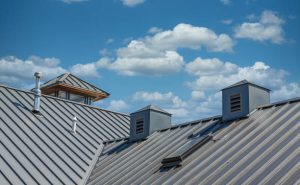
Key Takeaways
- Inspect for rust, loose screws, and bent or damaged panels to identify problem areas early.
- Use proper safety gear and tools, including gloves, non-slip shoes, and a cordless drill, before starting repairs.
- Clean and seal small holes with roofing sealant and metal patches to stop leaks.
- Tighten or replace fasteners and realign or replace panels that are loose or damaged.
- Contact a roofing professional if there’s extensive corrosion, persistent leaks, or structural damage.
How to Spot Problems on Your Corrugated Metal Roof
How can you tell when your corrugated metal roof needs attention? Start by looking for visible changes like rust spots, loose screws, or bent panels. Use these roof inspection tips: check for discolored patches, which might signal water damage, and inspect seams for gaps that could let in moisture. Don’t overlook flashing at joints and edges, as it often hides leaks. Walk the perimeter and look up from inside your attic for any daylight peeking through—another sign of trouble. Listening for dripping during rain can also help you catch issues early. Common roof issues include missing fasteners, corrosion, and warped panels. By catching these problems quickly, you’ll prevent bigger headaches and keep your roof in good shape for years.
Essential Tools and Materials for Metal Roof Repair
Before you climb up to tackle repairs, make sure you’ve gathered the right tools and materials for the job. Start with essential safety precautions: wear sturdy gloves, non-slip shoes, and a safety harness to protect yourself on the roof. You’ll need a cordless drill, metal snips, a pry bar, and a hammer for most repair techniques. Bring sheet metal screws, replacement corrugated panels, and a quality metal roof sealant. A wire brush and putty knife help you prep surfaces for repairs. Don’t forget a measuring tape and pencil for precise work, and keep a caulking gun handy for sealant application. With these items ready, you’ll be equipped to handle a variety of common repairs and maintain your roof’s integrity. For added protection against potential water damage, be sure to inspect and restore soffits and fascias as needed during your metal roof repair.
Patching Leaks and Small Holes in Corrugated Metal Roofs
Even a small leak in your corrugated metal roof can lead to bigger problems if you don’t address it quickly. Start with thorough leak detection—inspect your roof during or after rain, or use a hose to find drips inside your attic or home. Once you’ve identified the leak, clean the area around the hole. Remove rust and debris so your patch sticks well. Use specialized patching techniques: apply a generous layer of roofing sealant or caulk over the hole, then press a piece of metal patch or waterproof membrane firmly in place. Smooth out the edges and add another sealant layer over the patch. Allow it to cure fully before exposing it to water. This approach helps prevent future leaks.
Repairing or Replacing Loose Metal Panels
After patching leaks and small holes, you might notice some metal panels aren’t sitting as securely as they should. Loose panels can lead to bigger problems if left unchecked, so it’s essential to address them quickly. Start by checking panel alignment—misaligned panels often signal loose fasteners or shifting due to wind. Use proper fastening techniques to secure the panels, ensuring they’re flush with the roof structure. If a panel is damaged beyond repair, don’t hesitate to replace it.
Here’s how you can tackle loose panels:
- Inspect each panel for alignment and any gaps.
- Tighten or replace fasteners using suitable screws or nails.
- Adjust panel alignment before securing them down.
- Replace panels if you spot significant damage or corrosion.
Treating and Preventing Rust on Corrugated Metal Roofs
Although corrugated metal roofs are built for durability, rust can still develop over time, especially in areas with frequent moisture exposure. To address existing rust, start by scrubbing the affected spots with a wire brush, removing all loose rust and debris. Clean the area thoroughly, then apply a rust inhibitor to prevent further oxidation. Once dry, use quality metal coatings designed for outdoor use to seal and protect the surface. It’s important to cover all seams and fasteners, as these spots are prone to rust. For ongoing protection, inspect your roof regularly and touch up any scratches or worn areas with additional rust inhibitors or metal coatings. Taking these proactive steps will extend your roof’s lifespan and maintain its structural integrity.
When Should You Call a Roofing Professional?
Sometimes, it’s hard to know when a roofing project is beyond your skill set. While minor fixes may seem manageable, certain roofing signs suggest it’s time for a professional consultation. Ignoring these indicators can lead to more costly damage. To protect your corrugated metal roof and guarantee your safety, watch for these critical situations:
- Extensive Rust or Corrosion: If large areas are rusted through, repairs require specialized skills.
- Leaks After Heavy Rain: Persistent or widespread leaks point to deeper issues best handled by experts.
- Loose or Missing Panels: If panels shift or detach, structural concerns demand professional attention.
- Sagging or Bowing Roof Sections: Structural damage is a clear sign you shouldn’t tackle repairs alone.
Don’t hesitate to call a roofing professional if you notice these warning signs.
Frequently Asked Questions
How Long Does a Corrugated Metal Roof Typically Last?
You can expect a metal roof lifespan of 40 to 70 years. Its longevity depends on factors like installation quality, maintenance, and environmental conditions. If you care for it properly, you’ll maximize its overall lifespan and durability.
Are Corrugated Metal Roofs Energy Efficient?
Yes, you’ll find corrugated metal roofs are energy efficient. They reflect sunlight, reducing cooling costs and boosting energy savings. Add proper insulation, and you’ll further enhance insulation benefits, keeping your home comfortable year-round while saving money.
Can I Walk on My Corrugated Metal Roof Safely?
You can walk on your corrugated metal roof, but don’t charge across it like a stampede! Always check roof stability first and follow safety precautions—wear soft-soled shoes, step on the flat sections, and avoid slippery conditions.
What Maintenance Does a Corrugated Metal Roof Require Yearly?
You should inspect your roof yearly, remove debris using gentle cleaning techniques, and check for loose fasteners. Address any rust spots quickly with rust prevention methods, like applying primer and paint, to keep your roof in great condition.
Are Corrugated Metal Roofs Noisy During Rain or Hail?
Rainy ruckus or hail hammering can make corrugated metal roofs sound surprisingly loud. You can curb the clatter by choosing proper insulation options. Modern noise reduction techniques help you enjoy peace, even during the wildest weather.
Final Remarks
Think of your corrugated metal roof as a sturdy shield, guarding your home from the elements. By spotting problems early, patching leaks, and keeping rust at bay, you’re polishing that shield and extending its life. Keep your toolbox handy and your eyes sharp, but know when to call in the cavalry—professional roofers can tackle storms you can’t weather alone. With care and vigilance, your metal roof will gleam overhead for years to come.