
When we’re choosing the top waterproofing materials for flat roofs, we look to options like EPDM rubber membranes, modified bitumen roofing, and liquid-applied waterproofing systems for their proven durability and flexibility. We can also count on PVC and TPO roofing membranes, which offer strong resistance to UV rays, chemicals, and punctures. Each material suits different needs and budgets, with methods that help keep things low maintenance and energy efficient. Let’s explore each option more closely together.
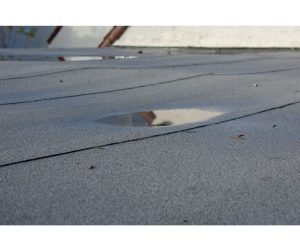
- EPDM rubber membranes offer long-lasting, flexible, and UV-resistant waterproofing for flat roofs.
- Modified bitumen roofing provides exceptional durability and is effective in fluctuating temperatures with multiple installation options.
- Liquid-applied waterproofing systems create seamless, flexible barriers ideal for complex or penetrated flat roof surfaces.
- PVC roofing membranes are durable, chemical-resistant, and low maintenance, with heat-welded seams for strong waterproof protection.
- TPO membranes deliver energy efficiency, UV resistance, and reliable waterproofing with a quick installation process and reflective surface.
EPDM Rubber Membrane
An EPDM rubber membrane is one of the most popular choices for waterproofing flat roofs. When we consider EPDM benefits, its durability stands out—it resists UV rays, ozone, and extreme temperatures, making it ideal for various climates. We also appreciate that EPDM is highly flexible, allowing it to expand and contract without cracking. Its lightweight nature makes EPDM installation straightforward, whether we’re working with new construction or retrofitting an older roof. The large seamless sheets reduce the number of potential leaks, and repairs are generally simple and cost-effective. Since EPDM is resistant to ponding water and most rooftop chemicals, it’s a long-lasting solution. By choosing EPDM, we’re investing in a low-maintenance, eco-friendly, and reliable waterproofing material for our flat roofs. Many professional services use EPDM in flat roof waterproofing projects because of its proven performance and durability.
Modified Bitumen Roofing
While EPDM rubber membranes offer excellent flexibility and longevity, modified bitumen roofing remains a dependable option for flat roofs, especially in regions with fluctuating temperatures. With modified bitumen advantages like exceptional durability and resistance to cracking, we can trust this material to handle thermal expansion and contraction. It’s made of asphalt reinforced with modifiers and typically installed in multiple layers, offering robust waterproofing even under harsh weather.
When it comes to modified bitumen installation, we’ve got several methods—torch-applied, cold-applied, and self-adhesive sheets. This flexibility allows us to choose the best technique for our specific project, ensuring a reliable seal. Maintenance is straightforward, and repairs are usually quick, which means less downtime for building owners. Overall, it’s a solid, time-tested choice for flat roof protection.
Liquid-Applied Waterproofing Systems
Versatility defines liquid-applied waterproofing systems, making them a popular choice for flat roofs that need seamless protection. When we consider these systems, we’re looking at a range of liquid types—like polyurethane, acrylic, and silicone—that cure into a rubbery, watertight membrane. These materials adapt well to unique roof shapes and tricky details. We appreciate that the application techniques are straightforward: typically rolled, brushed, or sprayed on, allowing for a continuous layer without seams that might leak later.
Here are some reasons we often recommend liquid-applied waterproofing:
- Excellent for roofs with lots of penetrations or complex shapes
- Quick, easy repairs with minimal equipment
- Strong adhesion to a variety of substrates
- Creates a seamless, flexible barrier that handles temperature swings
Choosing the right liquid type and proper application technique guarantees lasting performance.
PVC Roofing Membranes
Moving from liquid-applied systems, we often turn to PVC roofing membranes when flat roofs demand both durability and low maintenance. PVC (polyvinyl chloride) membranes are single-ply materials known for their strength, flexibility, and resistance to chemicals and fire. When we consider installation techniques, it’s important to note that professional installers usually use either heat-welded seams or specialized adhesives to create watertight bonds. This guarantees the membrane forms a continuous barrier against moisture.
For maintenance tips, we recommend scheduling regular inspections to check for punctures, seam separations, or debris accumulation. Promptly clearing debris and addressing minor repairs helps extend the system’s lifespan. Since PVC is resistant to many environmental factors, with the right installation and basic care, it reliably protects our flat roofs for decades.
TPO Roofing Membranes
Although PVC membranes have set a high standard, TPO (thermoplastic polyolefin) roofing membranes have quickly gained popularity for flat roofs due to their energy efficiency and cost-effectiveness. When we consider TPO installation, it’s clear why many building owners are making the switch. TPO advantages go beyond just budget; they’re also about performance and sustainability. This single-ply membrane resists UV rays, chemicals, and punctures, making it a durable choice for various climates. Plus, its white reflective surface helps reduce heat buildup, lowering cooling costs.
Let’s break down some of the key TPO advantages:
- Reflective surface boosts energy savings
- Flexible material adapts to building movement
- Resistant to algae and dirt buildup
- Quick, straightforward TPO installation process
With TPO, we get reliable waterproofing and long-term value.
Built-Up Roofing (BUR) Systems
When we need time-tested waterproofing for flat roofs, built-up roofing (BUR) systems remain a classic solution. BUR installation involves alternating layers of bitumen and reinforcing fabrics, which are finished with a protective surface layer. This multi-layer approach creates a durable, watertight barrier that’s stood the test of time.
One of the key BUR advantages is its proven track record—these roofs have protected buildings for over a century. The multiple layers offer excellent resistance to water intrusion and help shield the roof from UV rays and physical damage. While BUR installation requires skilled professionals and can be more labor-intensive than some modern membranes, we gain exceptional durability and longevity in return. For flat roofs needing reliable, long-term waterproofing, BUR systems are still hard to beat.
Frequently Asked Questions
How Often Should a Flat Roof Be Inspected for Waterproofing Issues?
We should inspect flat roofs for waterproofing issues at least twice a year as part of a regular maintenance schedule. Increasing inspection frequency after severe weather helps us catch problems early and extend the roof’s lifespan.
Can Solar Panels Be Installed on Waterproofed Flat Roofs?
Yes, we can install solar panels on waterproofed flat roofs if we guarantee waterproofing compatibility. Let’s work with qualified professionals who understand both solar panel installation and how to protect the roof’s integrity during the process.
What Are the Signs of Waterproofing Failure on a Flat Roof?
We notice signs of waterproofing failure like water damage on ceilings, damp spots, or bubbling paint. Let’s prioritize leak detection by checking for pooling water, cracks, or mold growth, which all indicate compromised roof protection.
Are There Eco-Friendly Waterproofing Options for Flat Roofs?
Imagine rain falling softly on a lush green roofing system; yes, we do have eco-friendly waterproofing options. Let’s explore sustainable materials like recycled rubber membranes or vegetative layers, which protect flat roofs and benefit our environment.
How Do Weather Conditions Affect the Lifespan of Waterproofing Materials?
Weather impact is a major lifespan factor for waterproofing materials. We need to evaluate how UV exposure, heavy rain, and temperature swings can accelerate wear. Let’s choose materials designed to endure our local climate for long-lasting protection.
Final Remarks
Choosing the right waterproofing material for our flat roof is like picking the perfect armor before heading into battle. Each option—EPDM, modified bitumen, liquid-applied systems, PVC, TPO, or BUR—offers its own shield against the relentless siege of rain and weather. As we stand on our rooftop castle, let’s arm ourselves wisely, ensuring our fortress remains dry and strong. Together, we’ll weather every storm, confident in the protection we’ve chosen for our home.